
AncestryDNA's 2026 Update Now Pinpoints 93 African Ethnic Groups: Is Bissa One of Yours?

For many people in the African diaspora, ancestry research begins with a simple desire: to know more.
Where did our ancestors live? Which communities shaped their lives? What names, languages, traditions, and family systems existed before displacement interrupted the record?
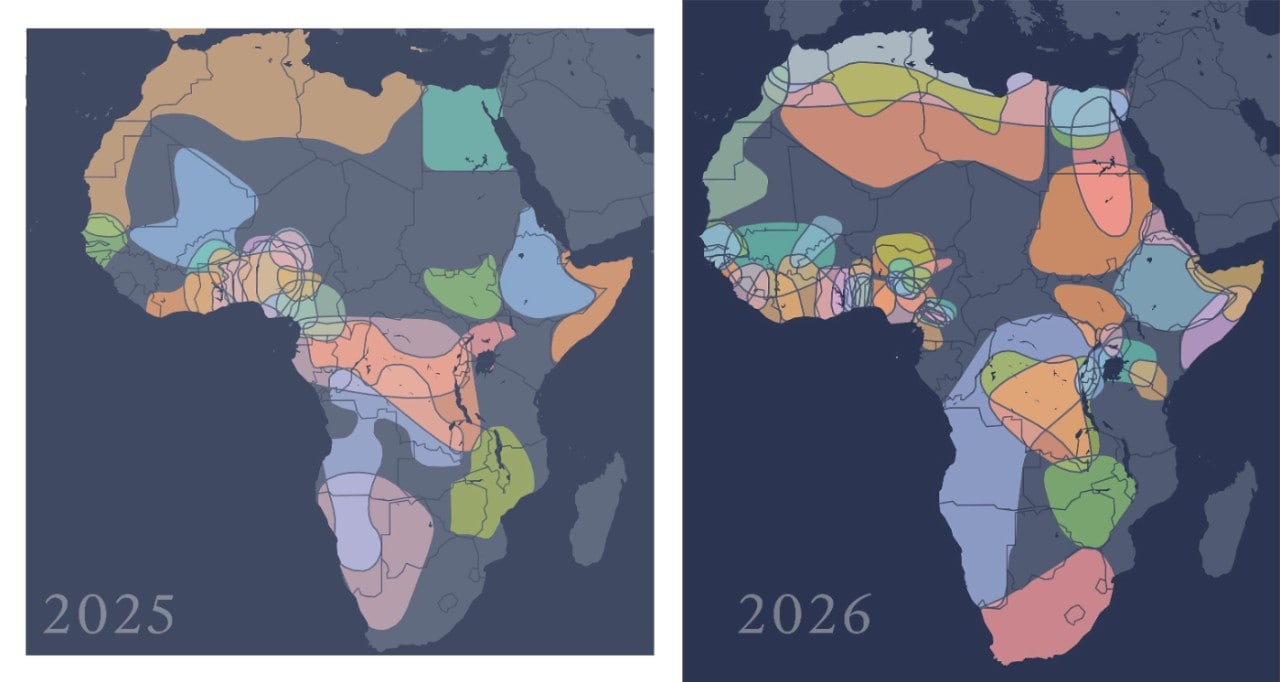
In October 2026, Ancestry announced a major update to its DNA Origins experience. The update expands Ancestry’s worldwide reference regions from 146 to 302. Across Africa, the system now includes 50 ancestral regions and connections to 93 African ethnic groups.
This is an important development for African ancestry tracing. It may help some descendants move beyond broad continental categories and explore more specific regional and ethnolinguistic connections.
It may also open new questions about connections to the Bissa people of Burkina Faso.
What the 2026 AncestryDNA Update Changes
Ancestry says the update is based on two major improvements:
A larger reference panel.
A new region-assignment algorithm.
The reference panel grew from approximately 185,000 people to more than 295,000 individuals with long-established family histories in particular places. This gives researchers a broader comparison group when examining genetic patterns.
The new algorithm also compares a customer’s DNA more directly with people in the reference panel. Ancestry then uses an AI-based transformer to refine the results.
The goal is greater detail.
302 worldwide regions.
50 African regions.
93 African ethnic-group connections.
These figures represent progress in how genetic data may be interpreted. They don’t mean that DNA can identify a person’s nationality, citizenship, clan, or complete cultural identity. They also don’t mean that every African ethnic group will appear as a direct result for every customer.
Your DNA hasn’t changed. The reference data and interpretation have improved.
Is Bissa Included in the 93 African Ethnic Groups?
The short answer is that a DNA result alone may not provide a complete answer.
The Bissa are a Mande-speaking people with deep roots in southern and southeastern Burkina Faso. Bissa communities also live across parts of Ghana, Togo, Benin, and Côte d’Ivoire. Their identity is connected to homeland, family lineage, language, community, history, and cultural practice.
Ancestry’s 2026 update highlights connections such as Mali–Mandé Peoples and other African ethnolinguistic groups. A result that reflects a broader Mandé or West African connection may provide useful context for further investigation.
It shouldn’t be treated as automatic proof of Bissa ancestry.
This distinction matters. African genealogy requires care because borders, ethnic identities, migration patterns, and colonial records don’t always align neatly. A person may have genetic connections to neighboring populations. Historical migration may have brought related communities into contact. Family identity may have been preserved through oral tradition even when official records used different names.
DNA can provide a direction.
Research, oral history, records, and community connection help build the fuller story.
DNA Is a Starting Point, Not the Whole Family History
The most useful DNA results are interpreted alongside other evidence.
That evidence may include:
Family names and naming patterns.
Oral histories passed down by elders.
Birth, marriage, death, church, and census records.
Enslavement and emancipation documents.
Migration routes and geographic patterns.
Connections with living relatives.
Cultural knowledge from homeland communities.
Our genealogy and ancestry resources are designed to help descendants understand this process. DNA testing can be a powerful first step. It becomes more meaningful when connected to historical research and living cultural traditions.
For descendants of enslaved Africans, the process can be difficult. Records may be incomplete. Names may have changed. Families may have been separated. Colonial documents often described African people through administrative systems that didn’t preserve their full identities.
That’s why responsible African ancestry tracing must honor both science and humanity.
A New Resource for Black Genealogy Research
The DNA update is not the only important development this fall.
In September 2026, Ancestry released free public access to the Former British Colonies Enslavement Registers collection. The project was developed in partnership with University College London and the Centre for the Study of the Legacies of British Slavery.
The collection includes:
Nearly 4 million individual records.
Almost 300,000 digitized pages.
20 former British colonies and dependencies.
The records primarily cover the period from 1813 to 1840. They may include names, ages, physical descriptions, family relationships, African origins, plantation or ownership information, and changes in status.
The collection can be searched through Ancestry’s free record collection. More background is available from University College London.
These records may be especially valuable for Afro-Caribbean, Afro-Latin, and wider African diaspora genealogy. They can help researchers connect later family records to earlier generations.
However, they must be read critically.
These were colonial administrative records. Enslaved people were often reduced to entries in ledgers. Some records contain only one name. Some omit fathers, mothers, locations, or family relationships. The language can be painful and dehumanizing.
Still, the records may provide an important path through historical silence.
They can help identify a name, a mother, a child, a plantation, a parish, or a movement. Each clue can lead to another record. Each record can restore part of a family story.
Connecting the Records to Bissa Heritage
The Former British Colonies Enslavement Registers don’t provide a complete record of every African person taken into enslavement. They also don’t establish that every person listed from an African region belonged to one specific ethnic group.
They are one part of a broader research process.
A researcher with family roots in the Caribbean, the Americas, or former British colonies may use the records to identify an enslaved ancestor. DNA testing may then suggest a broader West African or Mandé connection. Oral history may preserve a family story about a particular origin. Cultural research may point toward Burkina Faso and the Bissa homeland.
Together, these sources can create a stronger research framework.
The goal isn’t to force a conclusion. The goal is to investigate with patience, respect, and accuracy.
The Bissa people have preserved strong family and community systems across generations. Reconnection is not limited to a percentage on a DNA report. It includes learning about Bissa history, cultural values, traditional leadership, agriculture, language, naming practices, and relationships with the homeland.
From Genetic Clues to Cultural Reconnection
Genealogy becomes most meaningful when it leads to connection.
For some descendants, that connection may begin with a DNA consultation. For others, it may begin with family research, cultural education, or conversations with elders.
Our work includes:
DNA ancestry tracing and result interpretation.
Genealogical research focused on Bissa lineages.
Cultural heritage visits to Burkina Faso.
Traditional Bissa naming ceremonies.
Citizenship guidance and support.
Community development partnerships.
Clean water initiatives in Bissa communities.
A heritage visit can transform an abstract result into a living relationship with place and people. The Bissa homecoming to Guarango shows how ancestral return can become a process of learning, respect, and service.
Reconnection should honor the past while supporting the present.

Heritage and Responsibility
Cultural restoration must be paired with practical responsibility.
Bissa communities in Burkina Faso have identified clean water access as a major priority. The Society supports a long-term initiative to build 12 solar-powered boreholes in Garango.
12 solar boreholes.
Thousands of lives targeted for impact.
Community-led and sustainable.
This is the larger meaning of African genealogy.
We don’t reconnect only to look backward. We reconnect to restore knowledge, strengthen relationships, support communities, and build a future worthy of those who came before us.
Is It Time to Explore Your Bissa Connection?
The 2026 AncestryDNA update may provide new clues. The newly released historical records may provide names and relationships. Together, they can help descendants ask better questions and pursue deeper research.
But every family story is different.
A Bissa connection should be explored carefully. It should be supported by evidence where possible. It should be approached with respect for Bissa communities and the wider African diaspora.
If an AncestryDNA result, family tradition, or research discovery has raised questions about a possible Bissa connection, book a DNA ancestry tracing consultation with Bissa History & Genealogy Society in America.
Our team can help create a thoughtful path forward.
You may also join our community, learn about cultural heritage visits, or support the clean water initiative.
Our history can be restored.
Our heritage can be honored.
Our future can be built together.
Sources and Further Reading


Comments