

About Us
Who We Are
The Bissa History & Genealogy Society in America works to restore connections, preserve culture, and build a bridge between Africa and the diaspora.
Official Logo of BHGSA
Our Identity
The round emblem of the Bissa History & Genealogy Society in America encodes the history, values, and identity of the Bissa people and their descendants.
Unity & Global Presence (Circle Shape)
The circle is used across African kingdoms to represent eternity, lineage, and the unbroken chain between ancestors and descendants.
Mortar & Pestle — Bissa Daily Life & Tradition
A sacred domestic symbol representing nourishment, family structure, womanhood & matriarchal strength, and traditional continuity. It grounds the diaspora in authentic Bissa material culture.
"North–South Peanut Line"
The row of peanuts represents the path back home — the diaspora stretching from America back to Burkina Faso — and the agricultural roots of the Bissa people.
The Adinkra-Inspired "G / C" Mark
G for Genealogy, C for Community. It mirrors the circular flow of history and return — representing cultural wholeness restored.
BHGSA Flag for the Diaspora
Our Banner
The new BHGSA flag unites Pan-African revolutionary heritage with Bissa cultural identity, declaring that American Bissa descendants are part of the global African liberation lineage.
Pan-Bissa Colors (Green–Yellow–Red)
Green: Life, agriculture, and the land we originate from. Yellow: Wisdom, ancestry, and generational continuity. Red: Sacrifice, resilience, and the bloodline that survived the transatlantic slave trade.
The Peanut (Groundnut) — Sacred Bissa Identity
The core symbol of Bissa culture — their historical crop, economic engine, and key identity marker. It affirms: "We know who we are, and we reclaim what was stolen from us."
Crossed Spears — Cultural Defense & Sovereignty
Protection of Bissa culture, restoration of dignity, unity between homeland and diaspora, and readiness to defend identity with knowledge and institution-building.
The Center Star — Diaspora Rebirth
Enlightenment, reconnection, the rebirth of Bissa identity in America, and unity across borders. It marks the resurrection of a people after 400 years of ethnocide.

The Bissa are an ethnic group indigenous to Burkina Faso and parts of neighboring West African regions. For centuries, Bissa communities have played an important role in agriculture, trade, and cultural life throughout the region.
The historical homeland of the Bissa includes areas such as Garango, which remains one of the cultural centers of Bissa identity. Bissa society is traditionally rooted in strong family lineage systems, agricultural sustainability, community cooperation, and respect for elders and ancestral traditions.
Historically, the Bissa people cultivated crops such as groundnuts (peanuts), millet, and sorghum, forming the economic backbone of many rural communities.
Who Are the Bissa
Our Heritage


Our History
The Bissa & the African Diaspora
Millions of Africans were forcibly displaced during the transatlantic slave trade, resulting in the loss of cultural identities and family histories for generations.
Today, modern tools such as DNA ancestry testing have allowed many descendants of enslaved Africans to reconnect with their ancestral origins. For some, this journey has led them back to the Bissa people of Burkina Faso.
The Bissa History & Genealogy Society in America works to restore these connections and strengthen the cultural bond between homeland communities and their descendants abroad.
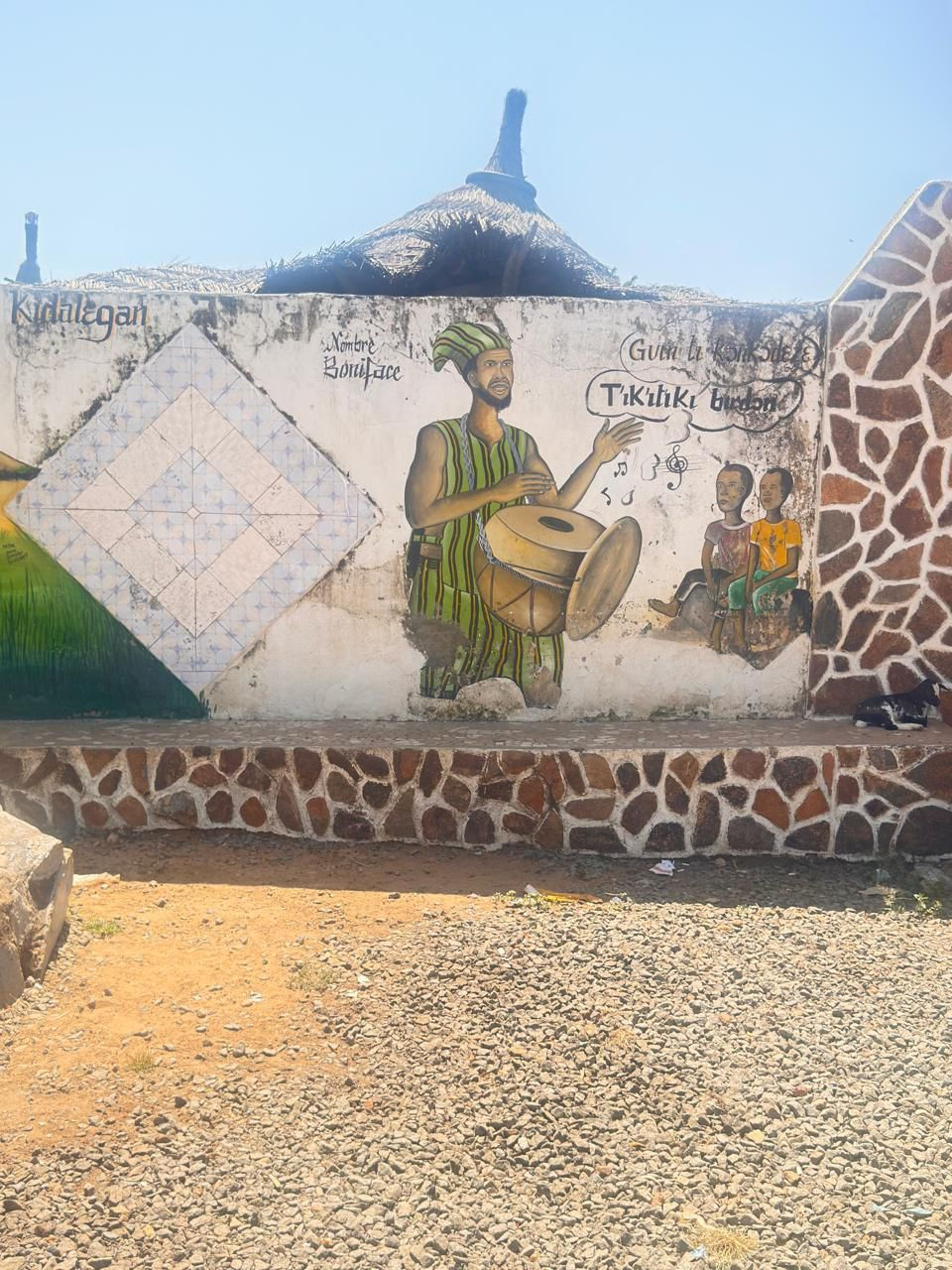
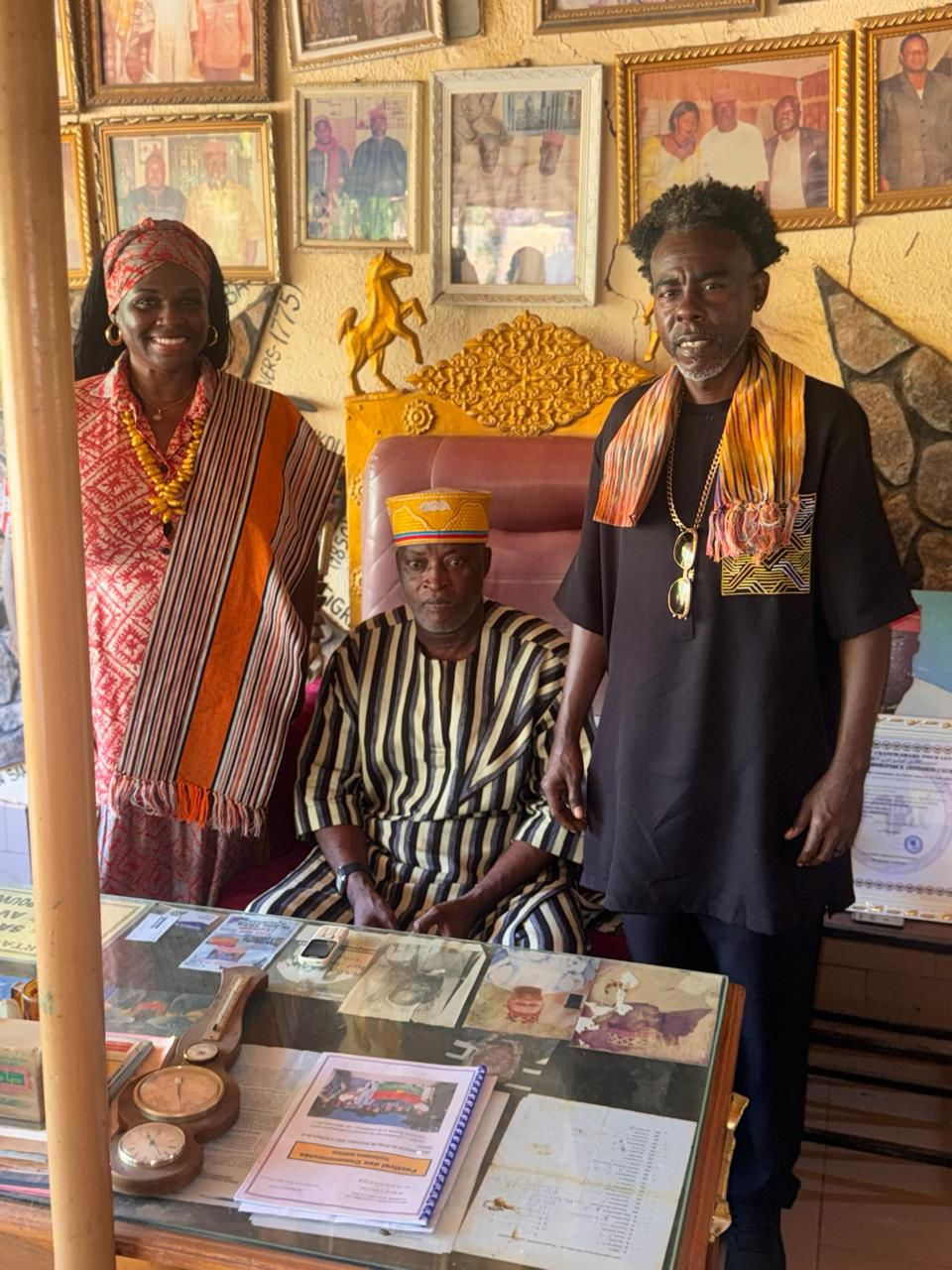
Garango Cultural Heritage
From the Homeland


About the Founder
LEADERSHIP

Tarik Hasani Muhammad
Founder – Bissa History & Genealogy Society In America
Tarik Hasani Muhammad is a social entrepreneur, community organizer, and advocate for reconnecting the African diaspora with their ancestral heritage. Through a DNA test conducted with African Ancestry, Tarik discovered that his paternal lineage traces directly to the Bissa people of Burkina Faso.
This discovery sparked a profound personal journey to understand his ancestral roots and to help other descendants of the African diaspora reconnect with their heritage. For millions of people whose ancestors were affected by the transatlantic slave trade, cultural identity, family lineage, and historical knowledge were lost through generations of forced displacement.
Tarik is one of the founders of the Bissa History & Genealogy Society in America, a nonprofit organization dedicated to preserving Bissa cultural heritage, supporting genealogical research, and strengthening the relationship between Bissa communities in Burkina Faso and the global diaspora.
Beyond his cultural and genealogical work, Tarik is also actively engaged in several initiatives focused on economic development, technology, and international collaboration. Among the initiatives connected to the Society's mission are projects focused on improving living conditions, including the Clean Water Project in Garango, Burkina Faso, which aims to construct solar-powered boreholes to provide reliable access to clean drinking water.
Tarik believes that reconnecting with one's ancestral roots is not only a personal journey but also a collective responsibility.

Lineage Verification
Tarik's Bissa lineage has been verified through DNA analysis conducted by African Ancestry, which traces paternal genetic markers to specific ethnic groups and regions within Africa. This verification serves as both a personal confirmation of ancestral roots and an inspiration for others in the diaspora to explore their own heritage.

Tarik Hasani Muhammad
Founder
Our Leadership Team

Brian Thomas
Board Member
Board of Directors

Markita Williams
Board Member
Brian & Markita Thomas
Board Members – Bissa History & Genealogy Society In America
Brian and Markita Thomas are a husband-and-wife entrepreneurial team with a shared passion for investing, legacy building, and global impact. They met in 2021 when Markita traveled to St. Thomas, U.S. Virgin Islands, for a wedding during the COVID era — an encounter that sparked a partnership rooted in purpose, family, and faith in the future.
Brian, a native Virgin Islander, is the founder of Thomas Tours and Concierge Services in St. Thomas, proudly continuing his father's 40-year legacy in the transportation industry. He holds a bachelor's degree in Business Administration, brings over 12 years of experience in the IT field, and is currently completing a second bachelor's degree in Cyber Security — combining service excellence with a forward-looking commitment to innovation and security.
Markita, a Georgia native, is a United States Army Veteran and a recently retired federal government professional with 18 years of service. She earned an MBA in Organizational Psychology and Development and is the owner of Desire Change Consulting Firm, where she supports individuals and organizations through strategy, leadership, and transformational development.
Together, Brian and Markita enjoy traveling and investing in opportunities that align with their values. Their bond deepened through their shared journey to explore African ancestry, which revealed their lineage is connected to the Bissa Tribe of Burkina Faso. This discovery strengthened their union, affirming a shared ancestral heritage and inspiring a renewed sense of mission.
As their partnership continues to grow, Brian and Markita are pursuing investment and development opportunities in Burkina Faso, including serving as Board of Directors with The 400 Fund. They are also exploring the establishment of additional businesses in their ancestral homeland — committed to "repairing the breach," building sustainable connections, and contributing to long-term economic and community development in Burkina Faso.


Building Bridges Across Continents
Connecting the Bissa homeland with descendants in the diaspora.
The Importance
Why This Work Matters
Ethnocide Awareness
Understanding and addressing the systematic erasure of African cultural identities through centuries of enslavement and displacement.
Ethnogenesis
Recognizing how new cultural identities formed in the diaspora while honoring original roots and traditions.
Reconnection
Building tangible pathways for diaspora descendants to reconnect with homeland, language, and family.